Jun 24-2025
The Preservation Wisdom of Twist Bands: a Solution That Returns to the Essence of Food
READ MORE >

Introduction
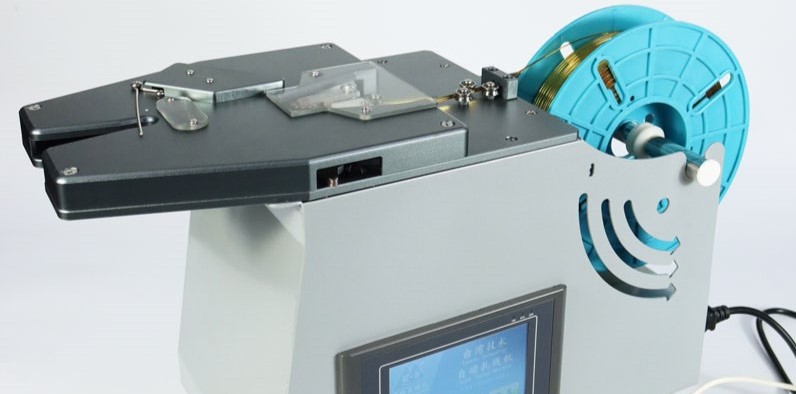
Automatic twist tie application uses a machine-assisted process to close bags with twist ties. This article explains how the closing process works, rather than how to choose a machine.
What Is Automatic Twist Tie Application?
Automatic twist tie application integrates tie handling into a repeatable bag-closing process. The exact equipment design can vary, but the purpose is to close a prepared bag opening within a packaging workflow.
How the Automatic Twist Tie Closing Process Works
1. Position the Bag
The bag enters the closing position. Its opening needs to be placed where the tie can be applied. Different machines may position bags in different ways, but this step prepares the bag for closing.
2. Prepare the Bag Opening
The bag opening is prepared for the tie. This may involve gathering, aligning, or holding the opening so it forms a suitable closing area. The condition of the opening can affect how consistently the later steps are performed.
3. Feed the Twist Tie
The twist tie is supplied to the application position. In many automatic systems, the tie comes from a continuous roll. The feeding system controls how the material advances so it is ready for the next step.
4. Cut the Twist Tie
When the required length has been reached, the continuous material is cut. The cut tie is then ready to be applied to the prepared bag opening.
5. Apply and Twist the Tie
The cut tie is positioned around the prepared bag opening. The machine then twists the tie. This action closes the prepared bag opening and helps secure it. The twisting step is the central closing action in the process.
6. Release the Closed Bag
After the tie is twisted, the closed bag leaves the application position. The next bag can then enter, completing one closing cycle and starting the next.
What Can Affect the Automatic Closing Process?
Bag Opening Condition
The condition of the bag opening can affect how easily it is prepared for the tie. Openings that are difficult to gather, uneven, or made from certain materials may influence the closing result.
Twist Tie Format
Pre-cut ties and continuous rolls are different supply formats. Automatic equipment usually needs to match the tie format it is designed to use. The format can affect feeding, cutting, and application.
Machine Setup
Different machines have different operating methods. Correct setup is important for stable closing. The right settings depend on the equipment and the bag being closed.
Closing Speed
Higher speeds require the steps to remain coordinated. Actual closing speed depends on the equipment, bag type, material, and the overall workflow.
Automatic Twist Tie Application vs. Manual Closing
Aspect | Manual Application | Automatic Application |
Tie handling | Operator | Machine-assisted |
Operator involvement | Higher | Lower |
Repetition | Individual operation | Repeated cycle |
Workflow | More manual | More automated |
The appropriate method depends on the packaging workflow, production requirements, and available equipment.

When Does Automatic Twist Tie Application Fit a Packaging Workflow?
Automatic twist tie application may fit a packaging workflow when closing is repetitive, many bags follow a similar process, manual closing becomes a repeated production task, or the packaging line already includes automated or semi-automated operations. It shifts some repeated tie-handling and closing actions from the operator to the machine. The next consideration is whether this type of closing process fits a particular bag-closing workflow.
Frequently Asked Questions
How does an automatic twist tie machine close a bag?
It typically feeds the tie, positions it around the prepared bag opening, cuts the required length, and twists it to close and secure the bag.
Is automatic twist tie application completely hands-free?
Not necessarily. Operators may still load materials, position bags, set up the machine, monitor the process, or handle finished packages.
Is automatic twist tie application suitable for every bag?
No. Suitability depends on the bag format, opening condition, tie format, equipment design, and closing workflow.
Conclusion
Automatic twist tie application follows a coordinated sequence:
Position → Prepare → Feed → Cut → Twist → Release
Understanding this sequence makes it easier to see how a twist tie machine can fit into a bag-closing workflow. For the next step, see [When to Use a Twist Tie Machine for Bag Closing]