
Mar 25-2026
Efficient Solutions for Candy and Snack Packaging: How to Enhance Brand Recognition Through Customized Twist Ties
READ MORE >

Bread clips and twist ties both close bags, but they use different structures and handling steps. Choosing between bread clips and twist ties depends on the bag neck, the application process, and whether the bag needs to be reopened and closed again.
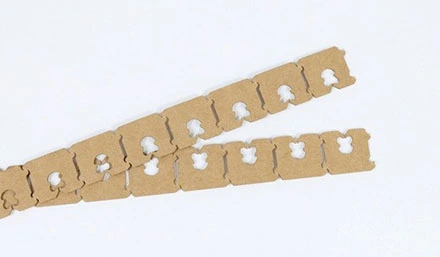
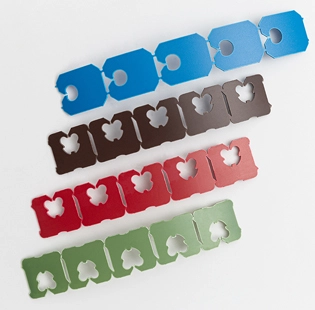
A bread clip is a clip-style closure that holds a gathered bag neck through a folded, hinged, or clip-like structure. Depending on the design, the bag neck may pass through an opening, sit inside a channel, or be secured when the clip is pressed or folded into place.
The relationship between the clip structure and the bag neck matters during selection. A narrow opening or shallow channel may suit a smaller gathered bag neck, while a wider or deeper design may accommodate a bulkier gather. If the bag neck does not match the clip geometry, the clip may not seat properly, may slip, or may require additional handling during installation.
Installation steps also depend on the clip design. Some clips are pressed onto the bag neck in a single motion. Others require the bag neck to be guided into position before the clip is folded or locked. Removal may involve lifting, bending, sliding, or releasing a specific part of the clip.
Bread clips vary in shape and mechanism, so one design should not be treated as representative of every bread clip.
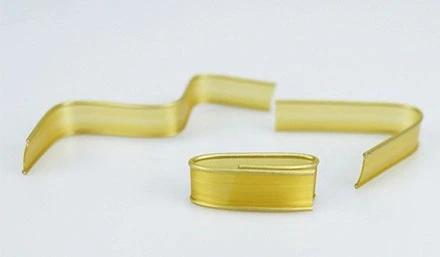
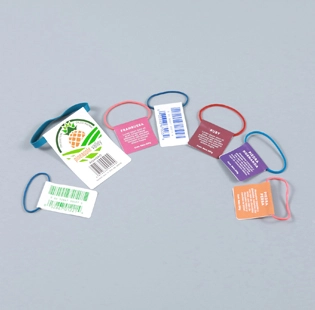
A twist tie is a flexible closure commonly made with an outer plastic coating or paper covering around an inner metal wire. It is wrapped around a gathered bag neck and twisted to hold the bag closed.
Unlike a bread clip, a twist tie is an independent closure rather than a clip structure that engages the bag neck. The operator holds the tie, wraps it around the gathered bag neck, and twists the ends together. Depending on the tie length, wire properties, and amount of gathered bag material, the flexible format can accommodate some variation in bag neck size.
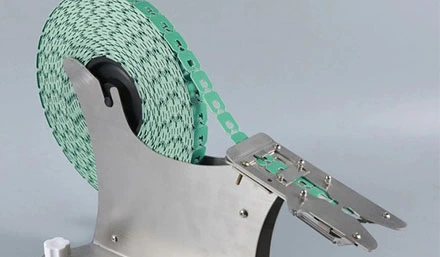
Twist ties are available as continuous rolls or precut lengths. Continuous rolls require a suitable length to be dispensed and cut, either manually or with compatible equipment. Precut lengths are ready to apply and can simplify handling when the required tie length is consistent. The basic closing action remains wrapping and twisting.
To open the bag, the tie is untwisted or reverse-twisted. If the tie remains in suitable condition and the bag neck can be gathered again, the same tie may be used to reclose the bag.
Explore the available [twist tie options] to compare closure formats and specifications.

| Comparison Point | Bread Clip | Twist Tie |
|---|---|---|
| Structure | Clip-style closure | Flexible, twistable closure |
| Bag neck fit | Depends on clip opening and channel design | Depends on tie length, wire properties, and gathered bag size |
| Closing method | Engages with the gathered bag neck | Wraps around and twists |
| Opening method | Releases according to the clip design | Untwists or reverse-twists |
| Reclosing | Depends on clip design and condition | Depends on tie and bag neck condition |
| Closure replacement | A damaged or deformed clip may need replacement | A tie may be reused if it remains suitable for use |
| Application process | Clip installation | Wrapping and twisting |
| Equipment compatibility | Depends on clip design and equipment setup | Depends on tie format and equipment setup |
The main difference is how each closure engages the bag neck. A bread clip uses a clip structure, while a twist tie wraps around the gathered material and is twisted into position. This difference affects the installation steps, removal method, and requirements of the closing process.

For repeated opening and closing, the practical handling steps matter more than general assumptions about durability.
With a bread clip, opening may require lifting a tab, releasing a locking feature, or sliding the clip off the bag neck. If the clip is removed, it must be kept and repositioned for reclosing. A deformed clip may not engage in the same way as before. Whether it can be reused depends on its material, design, and condition.
If the clip remains attached to the bag during opening, the bag neck may need to be pulled free and gathered again before the clip can secure it.
With a twist tie, opening involves untwisting the ends. Reclosing means wrapping the tie around the bag neck again and twisting it into place. Repeated bending and twisting may affect the wire or outer covering over time, depending on the tie construction and handling conditions.
The condition of the bag neck also matters. A crushed or wrinkled bag neck may be more difficult to gather consistently, affecting how either closure engages with the bag.
Neither option should be assumed to be automatically more durable or more suitable for reuse. Compare the actual removal and refastening steps for the specific closure and bag neck in use.
Three practical factors can help distinguish the two options.
Application Method
Match the closure to the actual handling step. A clip may suit a process designed to position and engage a clip with the gathered bag neck. A twist tie may suit a process in which an operator or compatible equipment wraps a separate tie around the bag neck.
Feed Format
Bread clips are handled as individual closure components, although their supply and presentation depend on the application. Twist ties may be supplied as continuous rolls or precut lengths. Rolls require dispensing and cutting, while precut lengths are ready to apply. The appropriate format depends on the required tie length and the handling process.
Equipment Compatibility
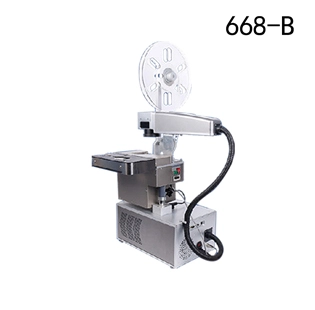
If equipment is involved, confirm that the closure format matches the equipment's intended operation. Clip design, tie dimensions, feeding arrangements, and the way the bag neck is presented can all affect compatibility. The fact that two products serve a similar closing function does not mean they can be used on the same equipment.
Consider bread clips when:
The process is built around a clip-style closure that engages the gathered bag neck.
The bag neck can be positioned within the clip's opening or channel.
The clip design and handling steps suit the required opening and reclosing routine.
Consider twist ties when:
The process requires an independent flexible closure that wraps around the outside of the bag neck.
Some variation in the gathered bag neck can be accommodated by the tie length and application method.
The process requires a separate closure that can be untwisted and reapplied when the tie remains suitable for reuse.
The final choice should be based on the actual closure design, bag neck geometry, handling steps, and equipment requirements rather than on the product name alone.
For product-specific details, see our [bread clip options].
Not necessarily. Both can close gathered bag openings, but their structures and handling steps differ. Substitution depends on the bag design, closing process, and any equipment involved.
A bread clip uses a clip-style structure to engage the gathered bag neck. A twist tie wraps around the bag neck and is twisted to hold it closed.
Both may allow a bag to be reopened and closed again, but the steps differ. A bread clip must be re-engaged with the bag neck, while a twist tie must be wrapped and twisted again. Suitability depends on the closure's condition and the state of the bag neck.