Jan 21-2026
Labels Don't Cause Chaos, Twist-HD Protects Your Products
READ MORE >

Continuous twist tie rolls are used when individual ties need to be dispensed and cut during the packaging process. Unlike pre-cut ties, the material is supplied as one continuous length and must be fed to a cutting point before each tie can be applied.
This article covers how that process works—from the form of the roll itself, through dispensing and positioning, to cutting and preparing individual ties for use.If you are comparing pre-cut ties with continuous rolls, see Pre-Cut Twist Ties vs. Continuous Twist Tie Rolls.
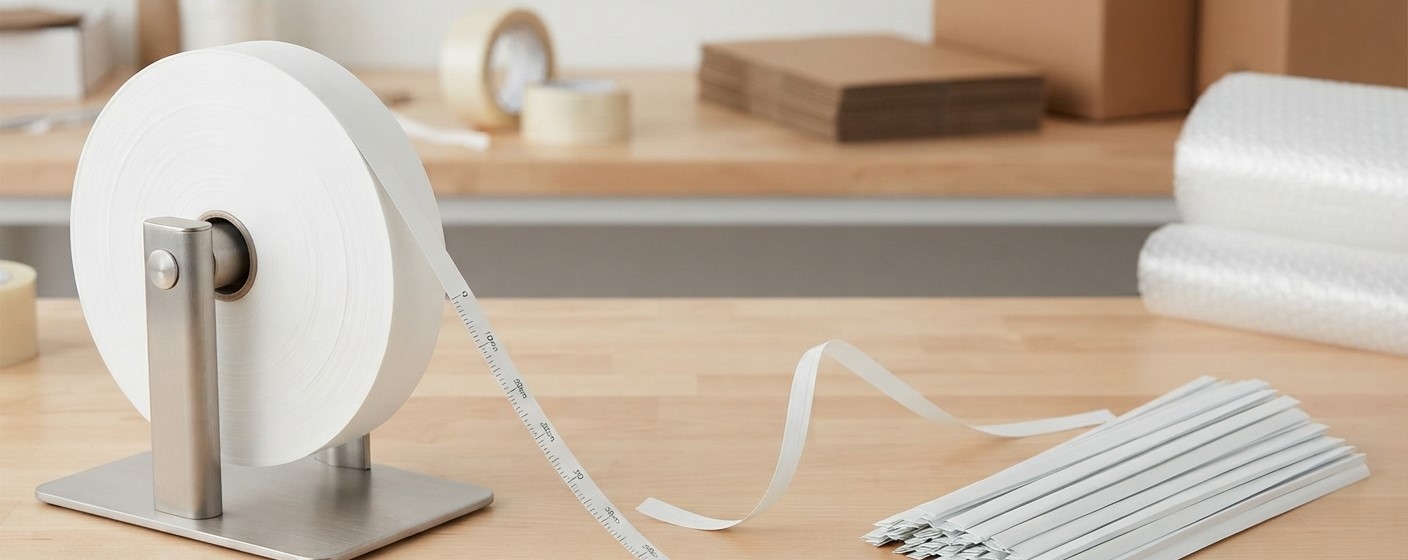
A continuous twist tie roll is a spool of twist tie material wound around a core. It supplies an uninterrupted length of tie material that can be dispensed and cut into individual pieces as needed.
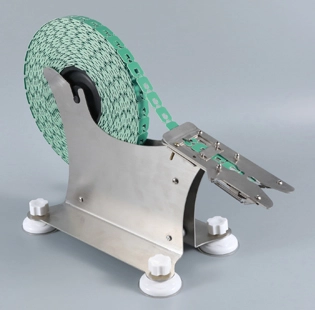
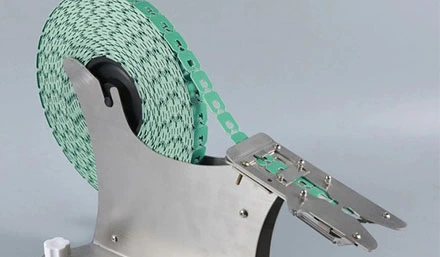
The roll is designed to be used with a dispenser or feeding mechanism that controls how the material is pulled from the spool and guided toward the cutting point.
Dispensing is the process of pulling or advancing the twist tie material from the roll so that it can be positioned and cut.
The way dispensing works depends on the setup:
With manual handling, the material is pulled from the roll by the operator. The operator controls how much material is drawn out before each cut.
With equipment-assisted handling, a feeding mechanism advances the material from the roll. The system may use guides, tension controls, or measuring mechanisms to help control the material as it is fed.
In both cases, the material is fed toward the cutting point so that an individual tie can be prepared for the next step.
Once the material has been dispensed from the roll, it needs to be positioned correctly before cutting. Positioning helps determine the length of the individual tie.
In manual setups, the operator visually checks or uses a stop guide to control how much material extends past the cutting point before cutting.
In equipment-assisted setups, the feeding mechanism can control how much material reaches the cutting point before the tie is separated.
Proper positioning helps produce individual ties with a more consistent length. Variation in positioning may result in ties that are shorter or longer than intended.
Two general approaches are used to separate individual ties from the roll:
| Aspect | Manual Dispensing | Equipment-Assisted Dispensing |
|---|---|---|
| Feeding | Material is pulled from the roll manually | Material is fed by the equipment |
| Positioning | Controlled by the operator | Controlled by the feeding system |
| Cutting | Performed manually | Performed by the cutting mechanism |
| Process control | Depends more on operator consistency | Depends more on equipment setup |
In a manual approach, the operator positions the material and then cuts it using a blade or cutting edge integrated into the dispenser. In an equipment-assisted approach, the cutting mechanism separates the tie automatically after the material is fed and positioned.
Regardless of the method, the result is the same: a single twist tie is separated from the continuous roll and is now ready for application.
Several variables can influence how consistently twist ties are dispensed and cut from a continuous roll.
Roll winding condition: If the material is wound unevenly or with inconsistent tension, feeding may become irregular. This can affect both the length and the alignment of each cut.
Roll core condition: A damaged or off-center core can cause the roll to wobble during dispensing, which may introduce variation in how the material feeds.
Surface characteristics of the tie material: Different coating materials can affect how the tie moves through guides and tension points.
Cutting edge condition: A worn or dull cutting edge may not separate the material cleanly. This can result in ties with bent or irregular ends.
Environmental factors: Temperature and humidity can affect both paper and plastic coatings. Changes in these conditions may alter how the material handles during dispensing.
Roll loading: If the roll is not centered on the spindle or holder, tension may vary as the roll rotates, affecting feeding consistency.
The following steps summarize how material moves from a continuous twist tie roll to an individual tie ready for use:
Roll loading – The roll is placed onto the dispenser spindle or holder and secured.
Material feeding – The loose end of the twist tie is guided through the dispenser path toward the cutting area.
Positioning and length control – The material is advanced until the desired amount reaches the cutting point.
Cutting – The material is separated at the cutting point, producing one individual tie.
Tie removal – The cut tie is removed from the cutting area.
Ready for application – The individual tie is now available for bag closing or other uses.
The exact sequence and the degree of automation vary depending on whether the roll is handled manually or with equipment.
The following practices can help maintain consistent dispensing and cutting results:
Keep the roll properly aligned on the spindle or holder.
Keep feeding guides and contact surfaces clean.
Check the cutting edge regularly and replace it when the cut becomes inconsistent or the material is no longer separated cleanly.
Use a dispenser compatible with the roll format and material type.
Can any twist tie roll be used with any dispenser?
Compatibility depends on the dispenser design, roll dimensions, core size, and material characteristics. Check the equipment specifications before use.
Why do ties sometimes come out different lengths?
Possible causes include inconsistent manual feeding, roll movement, or variation in the feeding mechanism. Checking the roll alignment and feeding path can help identify the source.
When should a cutting blade be checked or replaced?
Inspect the cutting edge regularly and replace it when the cut becomes inconsistent or the material is no longer separated cleanly. Replacement frequency depends on usage conditions.
Once an individual tie has been separated from the roll, the next step is applying it to the bag or bundled material. Learn more about this process in Manual Twist Tie Application: What a Closing Process Involves.
Consistent dispensing and cutting can help maintain a predictable bag-closing workflow. The basic process is straightforward: feed the roll, position the material, cut the required section, and prepare the individual tie for application. The exact method varies with the dispensing setup, but these steps remain the basic flow from a continuous roll to a ready-to-use tie.