Sep 23-2025
Protecting the Sealing Safety of Bread, Paper, and Plastic Bags
READ MORE >

A produce tie is a fastening product used to bundle, secure, or hold produce during handling, preparation, or sale. It may be supplied as a cut tie, a roll, or another format, and it can close by twisting, clipping, or another method. The right choice depends on the produce and the task.
A produce tie is a use-based category rather than a single material or design. It covers ties intended for produce-related bundling and securing tasks, such as gathering vegetables, holding a bunch together, or keeping items organized during sorting.
The term does not guarantee a specific material, closure style, or food-contact suitability. These details need to be confirmed for the actual product and intended use.
The operating method depends on the tie's design. For a product intended for manual bundling, the general process is:
Gather the produce into the position where it needs to be secured.
Place the tie around or at the required fixing point.
Close the tie according to its design, such as wrapping and twisting or using a clip.
Check the hold. It should be secure without crushing or damaging the produce.
Twist-style ties close by wrapping and twisting. Clip-style and other designs use different closing methods. Always follow the actual product's operating instructions.
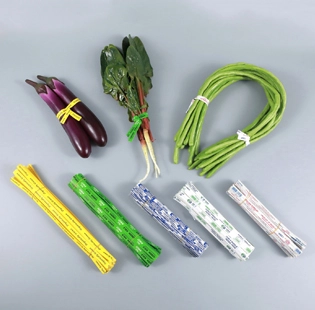
Produce ties can gather vegetables into bundles for handling or sale. Long items such as scallions may be tied near the root end or around another suitable point to help keep the stalks together.
Leafy greens and herbs require a hold that keeps the bundle together without crushing stems. The appropriate tie position and tension vary with the produce, so the fastening method should suit the item's shape and fragility.
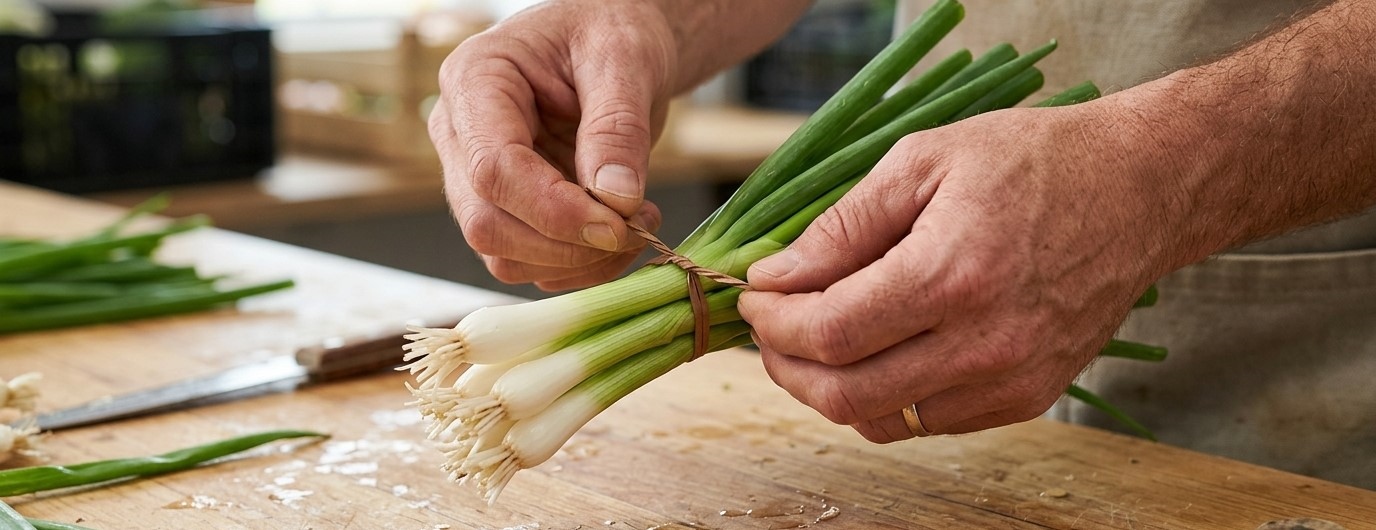
After a bundle has been formed, a produce tie can help maintain its shape during carrying, staging, transport, or temporary storage. This can keep loose items together and make the bundle easier to handle.
A tie does not replace appropriate handling or storage practices. Its effectiveness depends on the product design and how it is applied.
Ties may also be used to hold produce together during sorting, bunching, or preparation. Whether a particular tie is suitable depends on its construction, the intended contact conditions, and the actual workflow.
Consider the shape, size, and fragility of the items being bundled. A fastening method that works for firm, long vegetables may not be suitable for delicate stems or leaves.
Adjust the holding force to the specific item rather than assuming that all produce in the same category can be handled in the same way.
Determine whether the task requires a light hold, a secure bundle, or another type of fastening. Not every application requires the same tension or closure method.
The tie should hold the produce as needed without applying unnecessary pressure.
Consider whether the tie can be applied, adjusted, and removed efficiently. This is particularly relevant when workers handle many bundles or wear gloves during the process.
If the task involves frequent reopening or adjustment, check whether the product's design supports that type of handling.
If the tie directly contacts produce, verify the material and relevant contact information for the intended use. Do not assume food-contact compliance from the product name alone.
Also consider the handling environment and any specific requirements established by the business or applicable regulations.
A produce tie and a general-purpose twist tie are not necessarily two different product structures. The terms describe different aspects of a fastening product.
| Feature | Produce Tie | General-Purpose Twist Tie |
|---|---|---|
| What the term describes | An application category for produce-related tasks | A product structure or closing method |
| Typical use | Bundling or securing produce | General fastening and bundling |
| Selection basis | Produce type, holding requirements, and product design | Item being secured, closure method, and specifications |
| Key consideration | Suitability for the intended produce use | Construction, size, and intended application |
The two categories can overlap. A twist tie designed and suitable for a produce-related task can also be used as a produce tie.
The important distinction is between the intended application and the fastening structure. Neither term alone confirms a specific material, size, or food-contact rating.
Choosing a suitable produce tie starts with the task rather than the product name.
Identify the produce and task. Determine whether you are bundling long vegetables, leafy greens, herbs, or mixed items. Consider whether the bundle needs to remain together during handling, preparation, or sale.
Choose the closure method and holding force. Select a twist, clip, or other design that suits the required hold without damaging the produce.
Check the contact requirements. If the tie directly contacts produce, verify the material and relevant suitability information for the intended use.
Match the product to the workflow. Consider how the tie will be applied, adjusted, and removed. If using a roll product, confirm that its format is compatible with the intended manual process or existing tying equipment.
Confirm the supply format and specifications. Check whether cut ties, rolls, or another format is required, then verify the actual product dimensions and other relevant specifications.
These checks help establish whether a particular product fits the task without assuming that every produce tie has the same construction or capabilities.
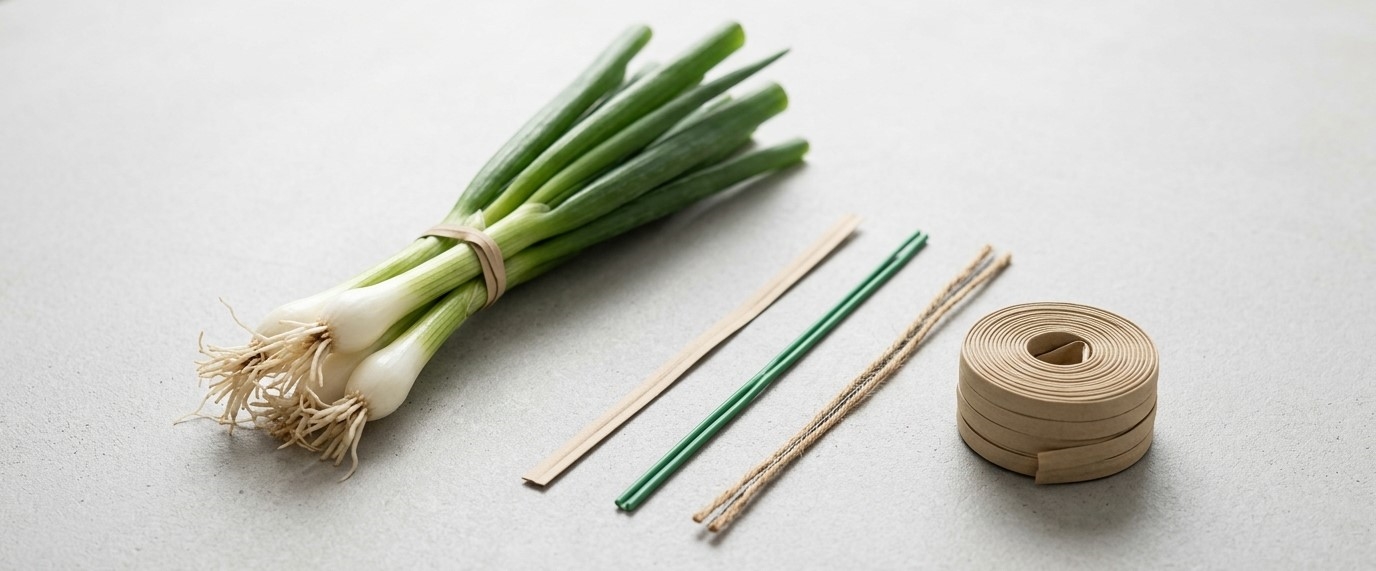
A produce tie is used to bundle, secure, or hold produce during handling, preparation, or sale. The appropriate type depends on the produce, the required hold, and the tie's design.
Not exactly. A produce tie describes an application, while a twist tie describes a common fastening structure or closing method. A suitable twist tie can also serve as a produce tie.
Check the closure design, holding requirements, material, relevant contact information, and compatibility with the intended workflow. Product suitability should be verified for the specific application.
Start by identifying the produce and the task, then choose a closure method that provides the required hold without damaging the items. Before use, verify the product's material, contact suitability, supply format, and handling requirements.
Compare the available produce tie options and review their specifications against your application requirements.